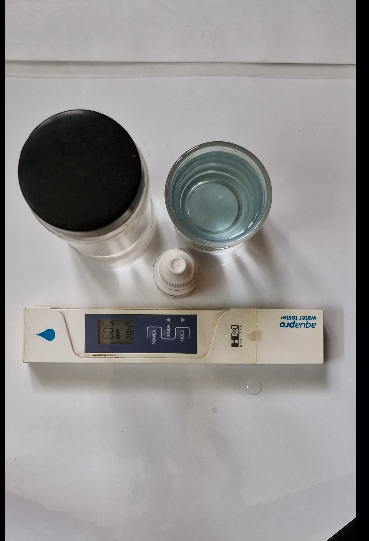


Have you ever received a water testing report and wondered what all those numbers actually mean?
Water quality reports often contain technical terms and measurements that can be confusing, especially when you simply want to understand the water your family uses every day.
The good news is that you don’t need to be a water expert to understand the basics. Learning about a few common water quality parameters can help you ask better questions and make more informed decisions.
1. What Is a Water Quality Report?
A water quality report provides information about the characteristics of a water sample.
Depending on the type of test performed, it may include measurements related to dissolved substances, acidity, hardness and other water quality indicators.
These results help provide a clearer picture of the water sample and whether further testing may be necessary.
2. Understanding Common Water Quality Measurements
Here are some measurements you may come across in a water testing report.
Total Dissolved Solids (TDS)
TDS refers to the combined concentration of dissolved substances in water, including minerals and salts.
A TDS reading can provide useful information about dissolved content, but it cannot identify every substance present or determine whether water is safe to drink on its own.
pH Level
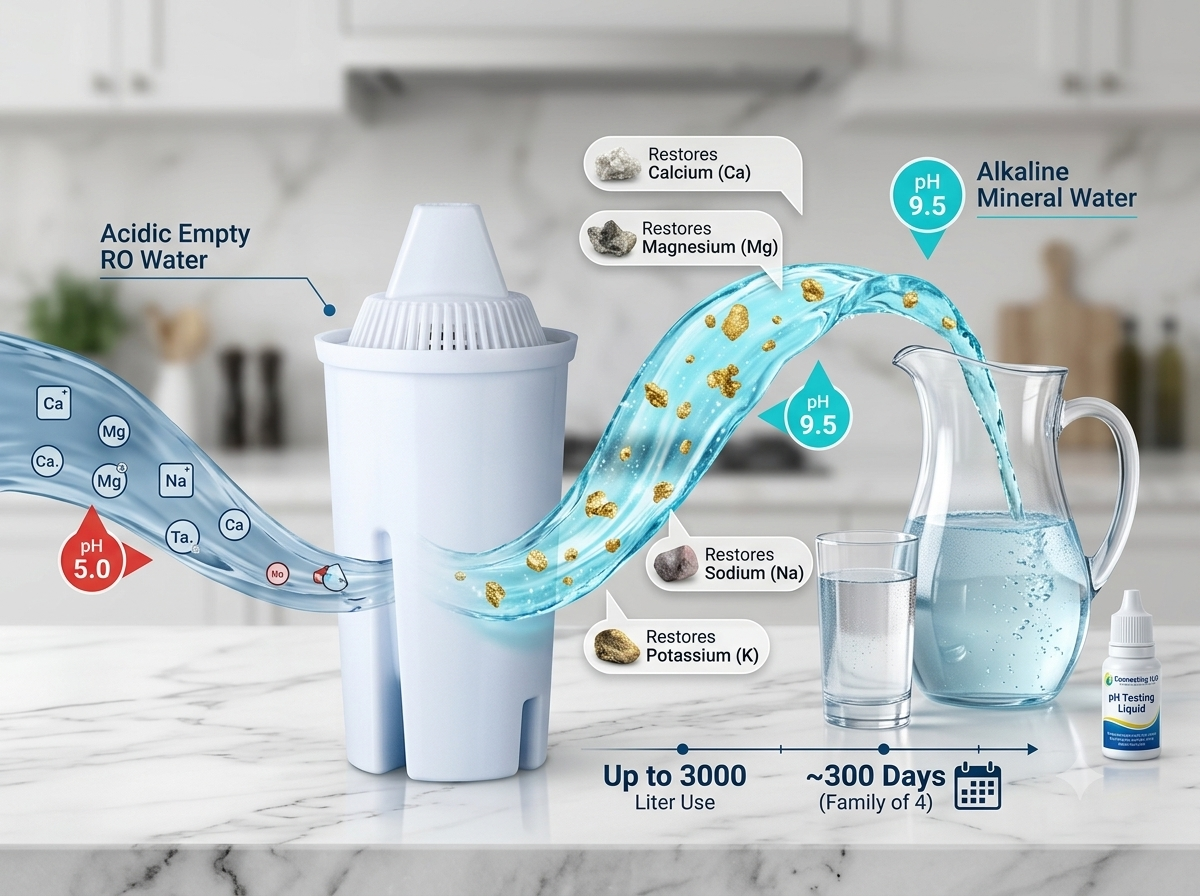
pH indicates whether water is acidic, neutral or alkaline.
Understanding pH can help identify the general chemical characteristics of a water sample.
Water Hardness
Water hardness is mainly associated with dissolved calcium and magnesium.
Higher hardness levels may contribute to scale deposits in kettles, pipes and household appliances.
Mineral Content
Water may contain naturally occurring minerals such as calcium and magnesium.
A mineral analysis can help families understand the mineral composition of their water rather than relying on a single measurement.
3. Why One Test Reading Is Not Enough
One number cannot tell the complete story of water quality.
For example, a TDS reading alone cannot confirm that water is free from harmful microorganisms or specific chemical contaminants.
A proper assessment depends on the water source, the purpose of testing and the parameters included in the report.
When necessary, a qualified water testing laboratory can help interpret the results.
4. What Should Families Do After Receiving a Report?
Here are a few practical steps:
- Check the date and source of the water sample.
- Understand which parameters were tested.
- Compare the results with applicable drinking water standards.
- Ask for clarification if any measurement is unclear.
- Consider additional testing if important parameters were not included.
- Choose water treatment solutions based on actual findings rather than assumptions.
5. Make Water Quality Awareness a Family Habit
Understanding your household water is a useful step towards making informed everyday choices.
Instead of focusing on a single number or product claim, take time to understand the overall quality and characteristics of your water.
Knowledge helps families ask the right questions and choose suitable solutions.
Final Thoughts
Water quality is about more than just appearance, taste or one measurement.
A better understanding of your water testing report can help you make informed decisions for your household.
At Connecting H₂O, we believe that understanding your water is the first step towards making better water choices.
Want to understand your household water better?
Explore our Know Your Water section and learn more about water quality and testing.
Note: This article is for general educational purposes. Water safety should be assessed through appropriate testing against applicable drinking water standards. TDS or pH measurements alone cannot establish drinking water safety.
Not sure what your water needs?
Get a free water test, or explore our range of mineral and alkaline solutions built for growing kids.