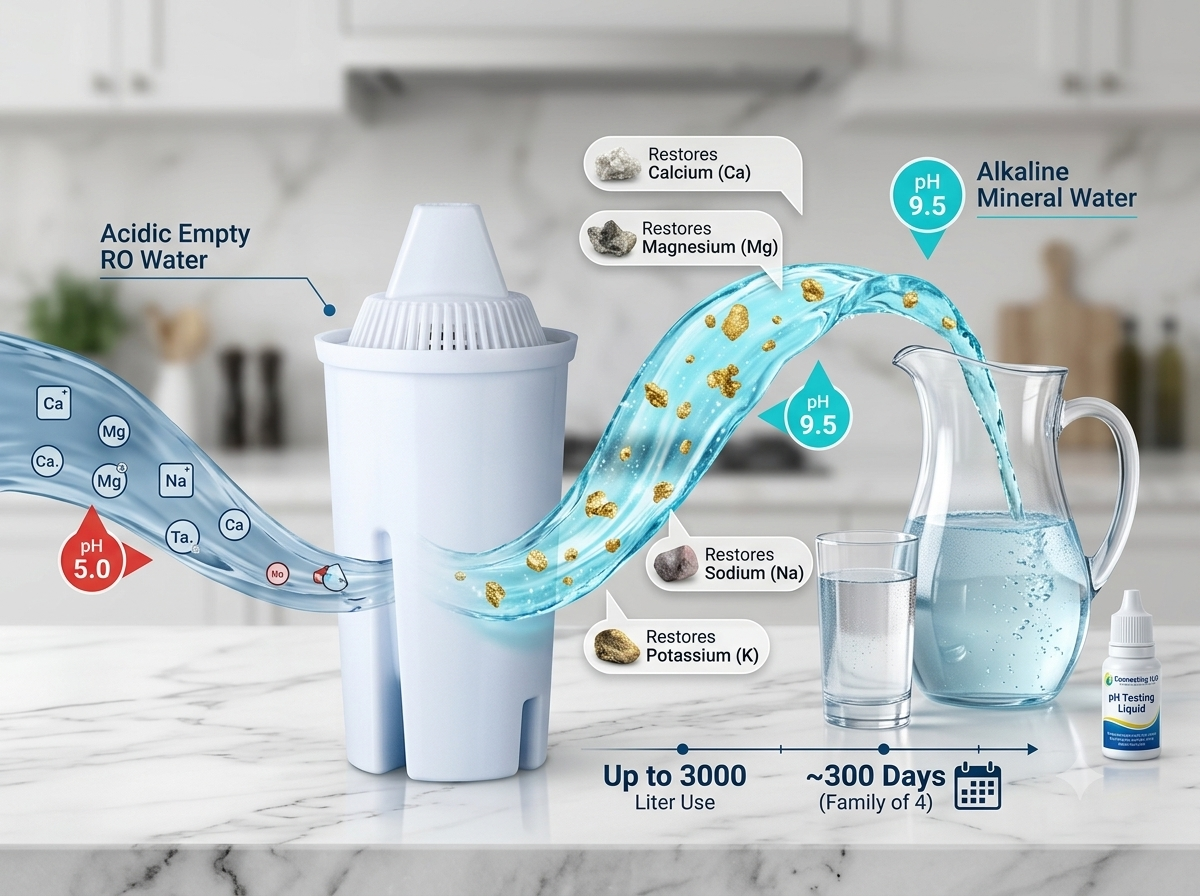

If you’ve ever looked at a glass of water and wondered what’s actually in it, you’re not alone. Between RO purifiers, municipal supply, canned water, and tanker deliveries, most Indian households rely on more than one water source — often without a clear picture of how each one is treated, stored, or tested.
This guide walks through the basics every parent should know: where your water typically comes from, what can influence its quality along the way, and why a simple test can replace guesswork with clarity.
Common Water Sources in Indian Homes
Most families draw their daily water from one or a mix of the following:
- RO (Reverse Osmosis) purifiers — widely used in homes connected to municipal or borewell supply.
- Municipal / corporation supply — treated centrally, but quality can vary by locality and season.
- Canned or tanker water — convenient for many households, with quality depending on the supplier.
- Borewell water — common in many areas, with mineral content that can vary significantly by region.
Each of these sources goes through a different journey before it reaches your glass, which is exactly why water from two homes on the same street can taste — and test — differently.
What Can Affect Water Quality
A number of everyday factors can influence the water that reaches your kitchen tap, including:
- The original source (groundwater, surface water, or treated supply)
- The treatment method used (RO, UV, UF, or none at all)
- How the water is stored — tanks, cans, or pipelines — and how often they’re cleaned
- Seasonal changes, especially during monsoon months
None of this means your water is automatically unsafe — it simply means water quality isn’t static. It can shift, which is why periodic checking matters more than a one-time assumption.
Why Checking Your Water Matters
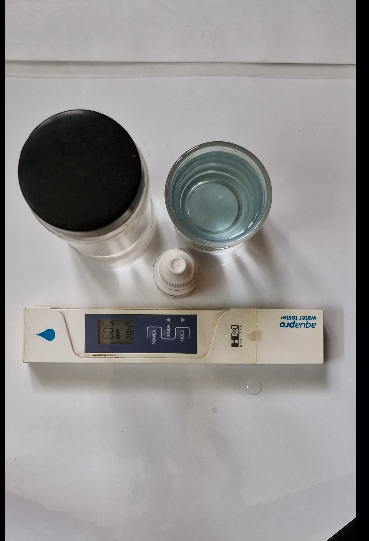
Most of us judge water by taste, smell, or clarity — but these aren’t reliable indicators of what’s actually dissolved in it. A basic water test (checking TDS and pH, for instance) gives you an objective starting point instead of a guess.
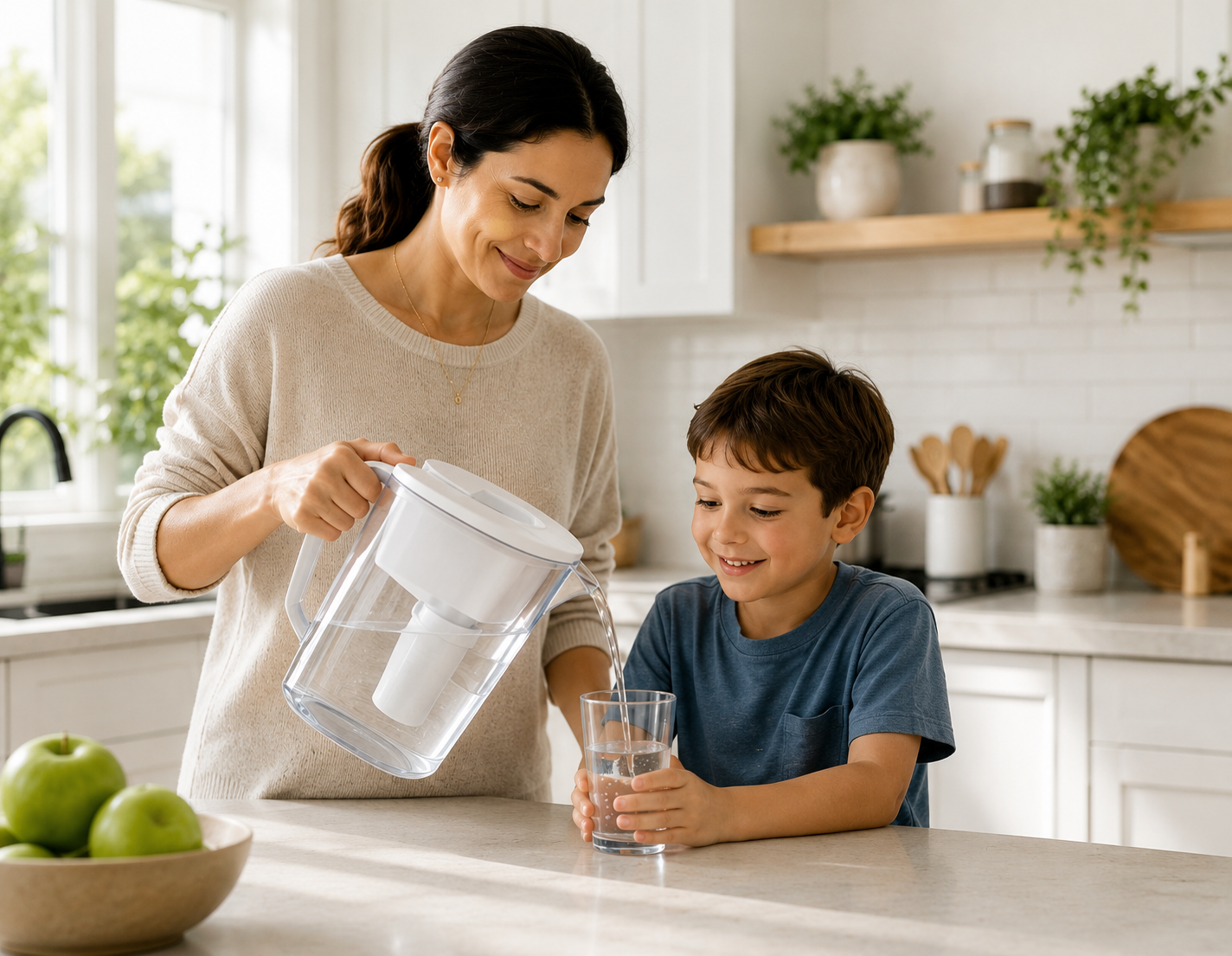
This is especially relevant for families with young children, where small, consistent choices about everyday water add up over time.
Practical Tips for Parents
- Get your water tested periodically, especially if you’ve recently changed your source or purifier.
- Keep an eye on your purifier’s filter/cartridge schedule — an overdue filter can affect output quality.
- Clean storage containers regularly, including cans, bottles, and overhead tanks.
- Ask your water supplier what treatment process they use, if you’re unsure.
- Re-test after the monsoon, when groundwater quality is more likely to shift.
Conclusion
You don’t need to become a water-quality expert to make informed choices for your family — you just need a clear, honest starting point. Understanding your water source, what can influence it, and how to check it puts you back in control, instead of relying on assumptions.
This article is intended for general awareness and does not constitute medical or scientific advice. For specific health concerns related to water quality, please consult a qualified professional.
Not sure what your water needs?
Get a free water test, or explore our range of mineral and alkaline solutions built for growing kids.