
“Pure water” sounds like the goal — but pure isn’t always the same as balanced. As more households turn to RO purification, minerals in drinking water have become a bigger part of the conversation among parents, and for good reason.
This article breaks down what minerals are commonly found in water, how common treatment methods affect them, and what families should understand before assuming “more filtered” always means “better.”
Why Minerals Are Part of the Water Conversation
Drinking water isn’t just H₂O — depending on the source, it can naturally carry trace minerals picked up from soil and rock as it travels underground or across the surface. This is true of groundwater, borewells, and many municipal sources before treatment.
When water is heavily filtered, some of these naturally occurring minerals are reduced along with unwanted substances — which is where the conversation about mineral content begins.
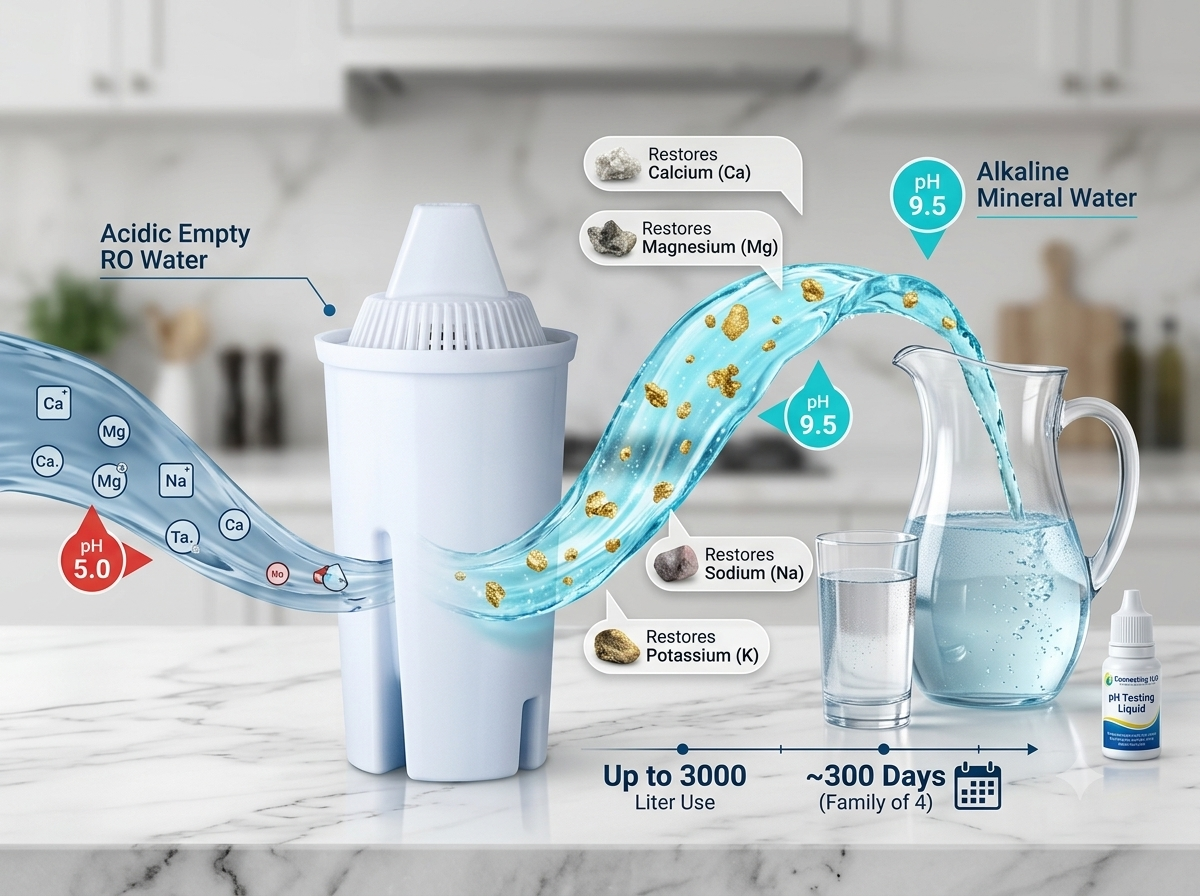
Common Minerals Found in Water
Depending on the source, drinking water can contain trace amounts of minerals such as:
- Calcium — commonly associated with bone and teeth structure
- Magnesium — involved in a range of everyday bodily functions
- Potassium — plays a role in fluid balance
- Sodium — found in small amounts in most water sources
It’s worth noting that drinking water is just one of many sources of these minerals in a typical diet — food remains the primary source for most people.
How Water Treatment Can Affect Mineral Content
RO (Reverse Osmosis) systems are highly effective at removing dissolved solids from water, including both unwanted substances and naturally occurring minerals. This is a well-understood characteristic of RO technology, not a flaw — it’s simply how the filtration membrane works.
Some mineral or alkaline add-back systems, including options in the Connecting H₂O range, are designed to reintroduce select minerals after the RO stage, aiming to bring treated water’s TDS and pH closer to that of naturally mineralized water.
What Families Should Understand
- Check your purifier’s TDS output — very low TDS can mean most minerals have been removed.
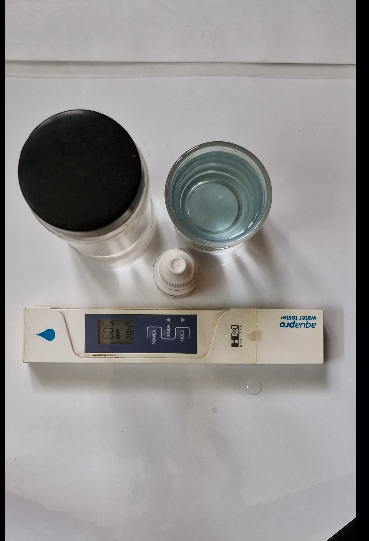
- Look at pH as a general reference point, alongside TDS, not as a standalone health measure.
- Remember that water is one part of overall nutrition — not a replacement for a balanced diet.
- Ask questions about your specific system — not all purifiers and add-back solutions work the same way.
Conclusion
Understanding mineral content in your drinking water isn’t about chasing a perfect number — it’s about making an informed choice for your household. Knowing what your purifier removes, and whether it adds anything back, helps you have a clearer picture of what your family is actually drinking.
This article is for general informational purposes only and doesn’t constitute medical, nutritional, or scientific advice. Please consult a qualified healthcare professional for guidance specific to your family’s dietary needs.
Not sure what your water needs?
Get a free water test, or explore our range of mineral and alkaline solutions built for growing kids.